

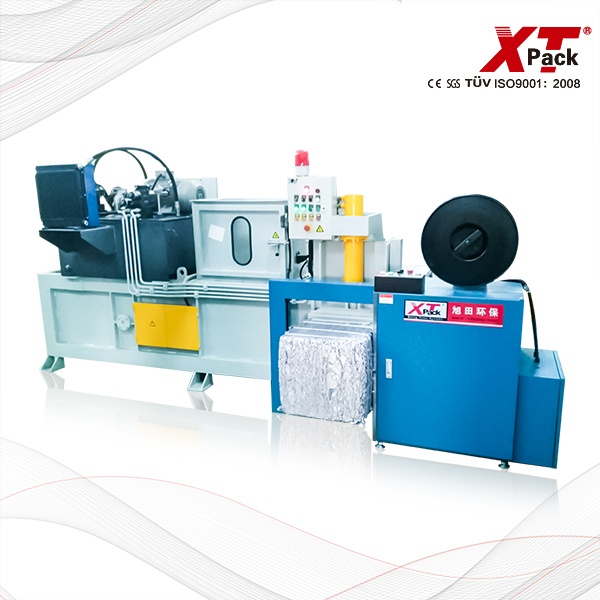
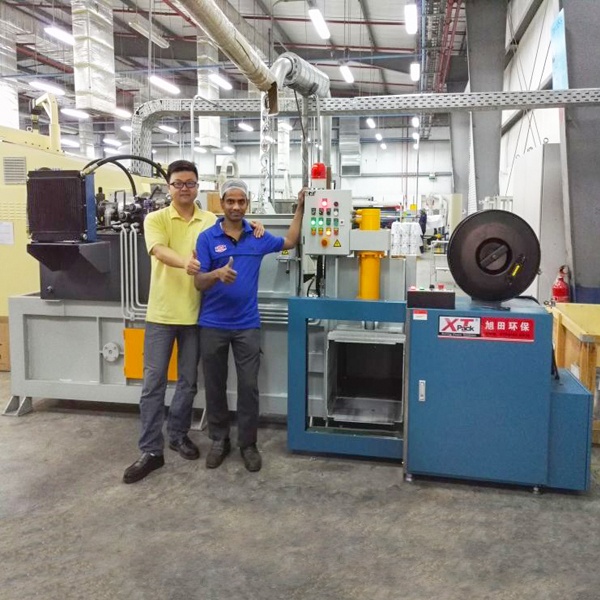
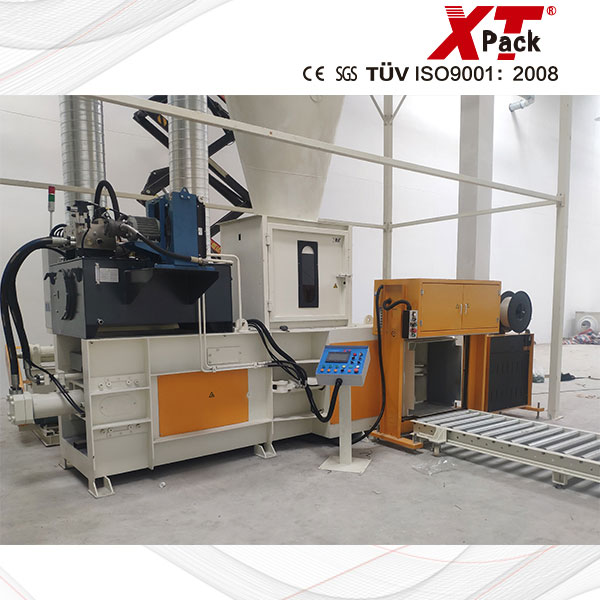
Usage of Full Automatic Two Ram Balers For Sale
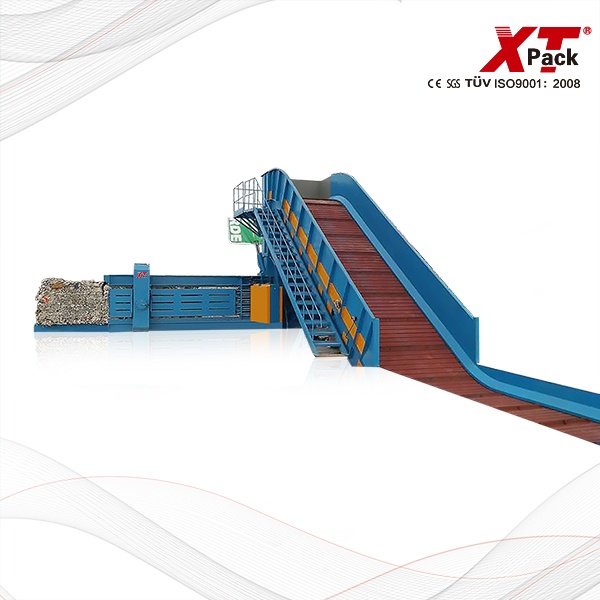
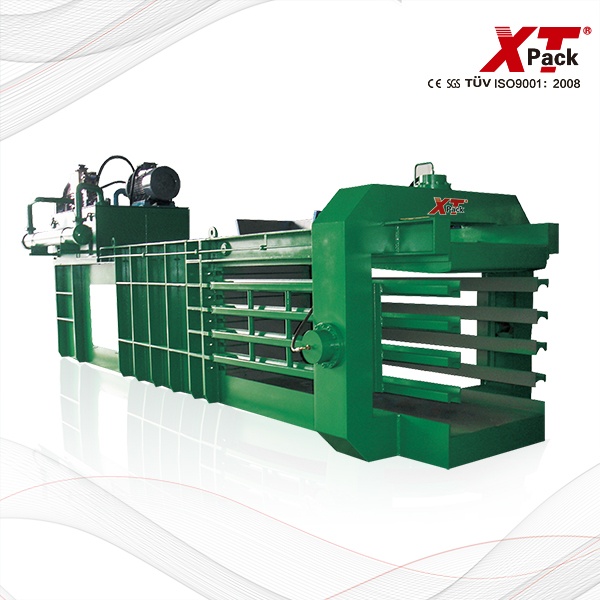
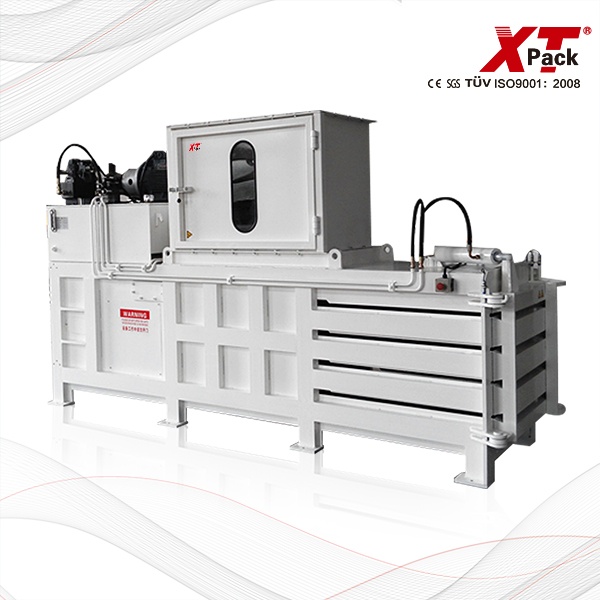
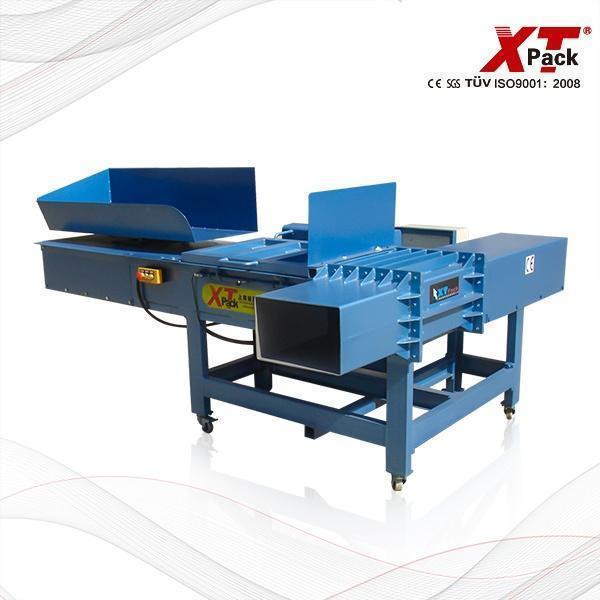
Specialized in recycling and compressing the waste paper, plastic film, fabric etc, convenient for storage, saving labor cost. These 2 ram balers are engineered for high-density output and versatility across different material types.
Specifications of Full Automatic Two Ram Balers
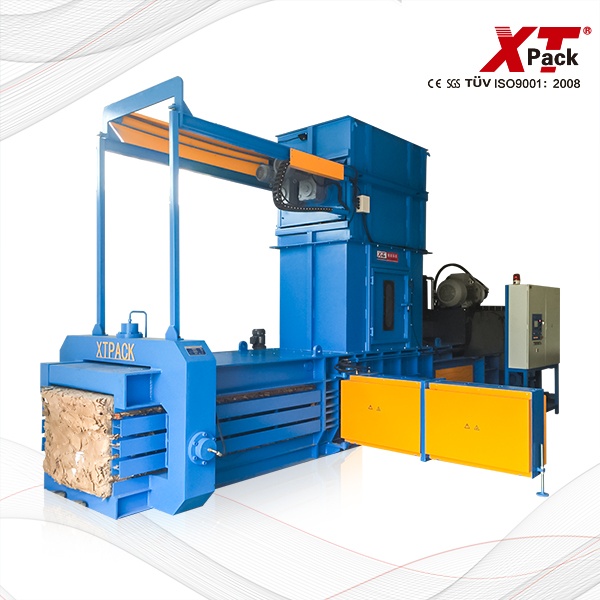
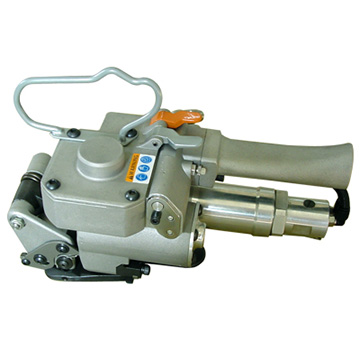
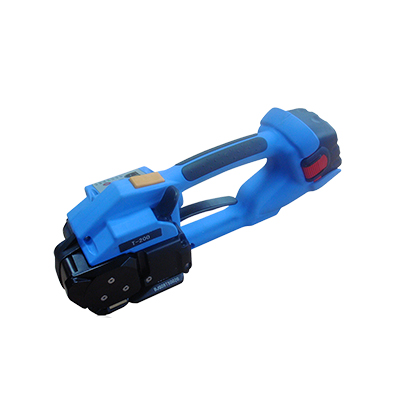
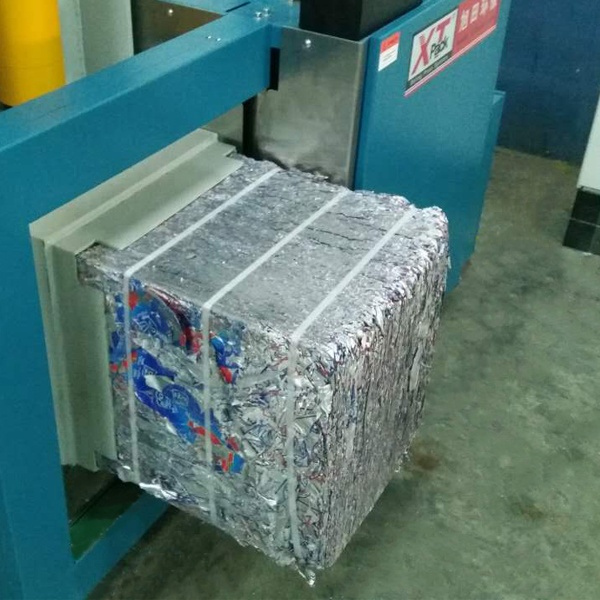
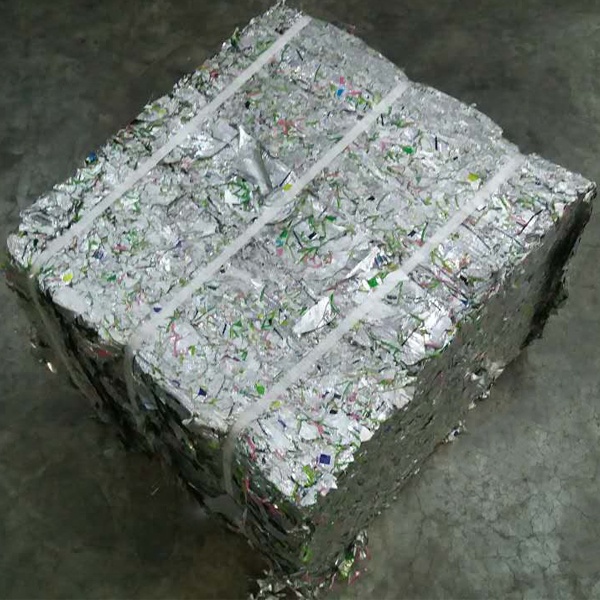
Automatically compressing and baling, using PP strap to reduce baling material cost
With two rams design, compact machine structure occupying small space. For facilities with limited floor area, a two ram narrow baler provides a high-pressure solution without requiring a massive footprint
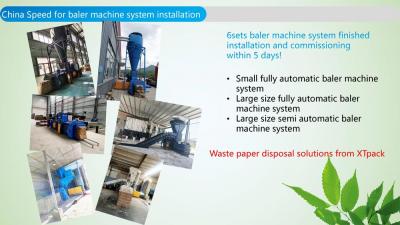
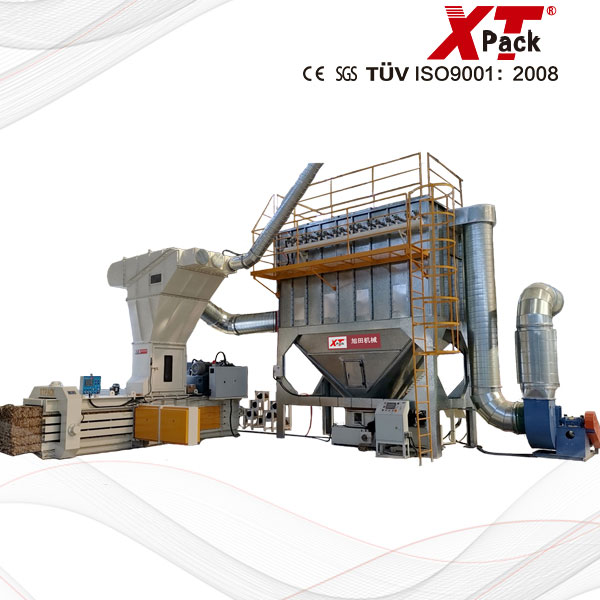
Cyclone system or conveyor could both be the optional for feeding
With PLC control, number of belting is optional
The bales could be directly burned out
| Model | XTR-300W5050P | XTR-500W7575P | XTR-800W7575P | XTR-1000W75100 |
| Pressure | 30tons | 50tons | 80tons | 100tons |
| Motor Power | 7.5kW | 15kW | 22kW | 30kW |
| Oil Tank Volume | 160L | 540L | 630L | 1000L |
| Feeding Opening Size(L×W) | 700×460mm | 1100×730mm | 1100×730mm | 1300×1000mm |
| Bale Size(L×W×H) | 500×500×500mm | 750×750×750mm | 750×750×750mm | 750×1000×1000mm |
| Bale Weight | 30-70kg | 70-150kg | 100-200kg | 200-300kg |
| Number of Belting | 3lines | 3-5lines | 3-5lines | 3-5lines/wrapping |
| Machine Overall Dimension | 3700×2700×1800mm | 4650×3010×2430mm | 5000×3300×2520mm | 5300×4600×2650mm |
| Machine Weight | 2.5tons | 4.5tons | 7tons | 8tons |
Many industrial centers prefer two ram wide balers when dealing with extra-large feed materials or requiring higher volume throughput. This advanced configuration ensures maximum efficiency for heavy-duty recycling operations.
How Does a Two Ram Baler Work? Twin Ram vs Single Ram Baler Explained
XTpack full automatic two ram balers (also known as twin ram balers or 2 ram balers) feature a unique dual-ram design that delivers higher bale density, greater versatility, and better performance on challenging materials compared to traditional single ram balers.
Working Principle of a Two Ram Baler
A two ram baler uses two independent hydraulic rams working in an L-shaped or cross-ram configuration:
Material Loading — Recyclable materials (waste paper, cardboard, plastic film, fabric, non-woven, etc.) are fed into the charging chamber, often via conveyor or pit system.
Primary Compression (Gathering Ram) — The first ram (compression ram) pushes the material into the baling chamber and compresses it against a solid wall or the second ram. This creates extremely high density because the material is pressed against a fixed surface rather than the next bale.
Tying & Ejection (Eject Ram) — Once the desired bale length and density are reached, the second ram (eject ram) activates. It holds the compressed material in place during tying (auto-tie system) and then pushes the finished bale out of the chamber.
Cycle Repeat — The process repeats automatically, allowing continuous high-volume operation with minimal downtime.
This design enables the machine to produce heavier, more consistent, and denser bales while handling a wider variety of materials — including high-rebound or difficult-to-bale items like PET bottles, aluminum cans, textiles, and plastics.
Twin Ram Baler vs Single Ram Baler – Key Differences
| Aspect | Two Ram Baler (Twin Ram / 2 Ram) | Single Ram Baler (Channel / Open-End) |
| Number of Rams | Two independent hydraulic rams | One main compression ram |
| Compression Method | Compresses against a solid wall or second ram | Extrudes against the previous bale |
| Bale Density | Higher density, heavier bales | Good density, but generally lower than two ram |
| Material Versatility | Excellent for wide range including rebound materials (plastic, fabric, tires, etc.) | Best for consistent materials like cardboard and paper |
| Bale Quality | More consistent shape and weight | Can vary depending on material flow |
| Throughput | High, with faster effective cycle for mixed materials | Often higher speed for uniform high-volume materials |
| Labor & Automation | Fully automatic with auto-tie, less manual intervention | Fully automatic, but may need more adjustment for material changes |
| Best Applications | Mixed recyclables, high-rebound waste, MRFs, export bales | Large-scale uniform paper/cardboard recycling |
| Wire Usage | Flexible tying (more wires possible for tough materials) | Usually fixed tying pattern |
Advantages of Choosing XTpack Two Ram Baler:
Superior bale density and weight → lower transportation and storage costs
Greater material flexibility without frequent machine adjustments
Reduced contamination between different material types
Ideal for 2 ram narrow balers or two ram wide balers configurations
If you are looking for a twin ram baler for sale that combines high performance, reliability, and competitive pricing, XTpack’s full automatic two ram balers for sale are engineered for long-term industrial use with minimal maintenance.
Frequently Asked Questions About Two Ram Balers
A two ram baler, also called twin ram baler or 2 ram baler, uses two hydraulic rams – one for compressing material and another for pushing out the finished bale. This design allows higher bale density and faster operation than traditional single-ram balers.
They are ideal for waste paper, OCC cardboard, plastic film, HDPE, PET bottles, fabric, non-woven cloth, melting spray, and many other recyclable materials.
Narrow chamber two ram balers are typically used for higher density bales of paper and plastics, while wide chamber versions handle larger volumes and bulkier materials more efficiently.
Yes. XTpack full automatic two ram balers come with automatic feeding, compression, tying, and bale ejection, greatly reducing manual labor.
Yes. We provide various models of two ram horizontal balers with different pressing forces, chamber sizes, and options to meet your specific recycling requirements.
As a professional China manufacturer, we offer competitive pricing, reliable quality, full after-sales support, spare parts availability, and proven performance in global markets.
Price varies by model, pressing force, and configuration. Contact us for the latest two ram baler price and a tailored quote.
Yes. We offer detailed installation guidance, operator training, and ongoing technical support for all our full automatic two ram balers.