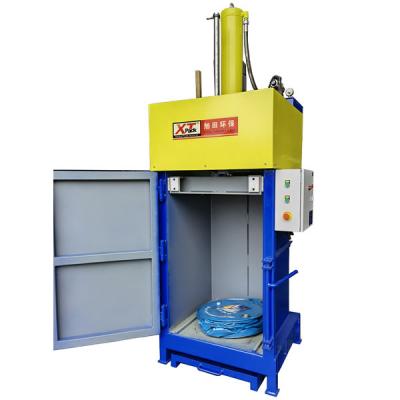
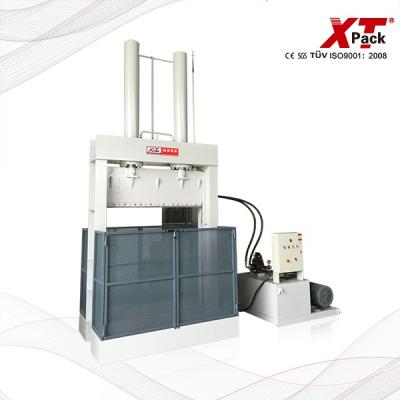
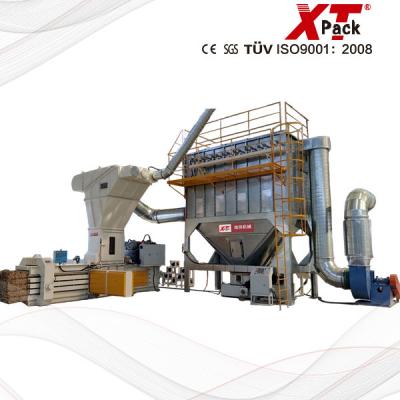
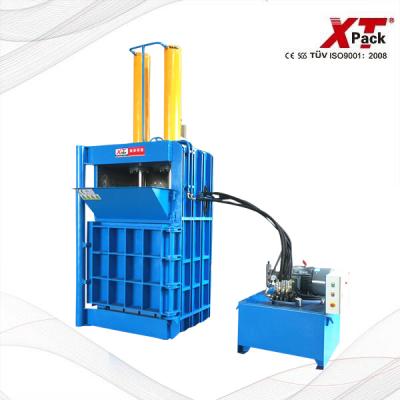
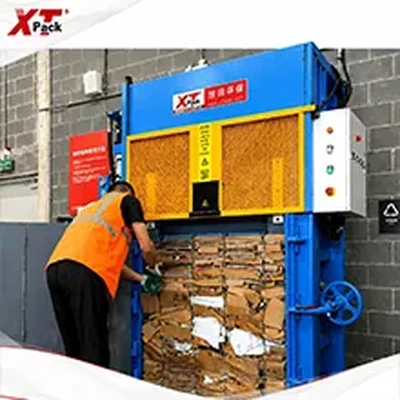
The plastic baling machine, especially the fully automatic equipment specifically designed for compressing soft plastics such as PE and PP films, is equipped with a super wide feeding door structure. When the pressure plate is lifted, the feeding door automatically flips up, greatly improving feeding convenience and work efficiency. Although the operation is simple, some components of the hydraulic system may still cause noise issues during long-term operation. If not handled in time, it will affect the overall performance and user experience. Here are common noise sources and targeted improvement suggestions.
Plastic Baling Machine: Hydraulic Pump Noise Issues
The fully automatic plastic baling machine relies on plunger pumps or gear pumps to provide stable oil pressure during high-pressure compression. If an abnormality occurs, it often manifests as the following noise issues:
Air Suction or Cavitation
If air mixes into the oil or if insufficient return oil creates a vacuum, cavitation forms in the high-pressure area, causing high-frequency vibrations in the hydraulic oil and consequently generating noise. Timely venting and ensuring adequate oil tank levels can prevent air suction.
Internal Component Wear
Severe wear between the friction surfaces of the plunger and cylinder block, or the valve plate, can cause internal pressure leaks and flow fluctuations. Regular maintenance, component replacement, or adjustment of the variable control mechanism angle is recommended to stabilize pump output.
Valve Plate Issues
If the valve plate surface wears or the discharge groove accumulates sludge during baler operation, it will cause oil trapping, resulting in strong noise. The valve plate should be properly installed, with appropriate unload slot length, and kept clean, ensuring it aligns with the high-pressure chamber and matches the cylinder block's rotation direction.
Plastic Baling Machine: High-Frequency Noise Issues of Relief Valves
During continuous high-pressure operation, the relief valve plays a role in stabilizing system pressure. If there are issues with internal parts, high-frequency sharp noise can occur, mainly due to the following reasons:
Cavitation Formation
When air mixes into the hydraulic oil, cavitation forms in the pilot valve's front chamber, inducing pressure fluctuations and air vibrations. The system should be vented, and secondary air mixing should be avoided.
Needle Valve Wear
Frequent opening and closing cause the needle valve and valve seat to become loose, leading to unstable conduction and noise. Worn parts should be replaced or repaired in time.
Spring Fatigue
The pilot valve spring deformation or failure will lead to decreased pressure regulation performance, resulting in significant pressure fluctuations. Fatigued springs should be replaced regularly.
Plastic Baling Machine: Hydraulic Cylinder Noise Sources and Countermeasures
When baling soft plastics, the hydraulic cylinder drives the pressure plate for up and down strokes. If abnormal noise occurs during operation, common causes are:
Air Not Fully Purged: Residual air inside the hydraulic cylinder can form bubble bursts during high-pressure compression, producing significant noise. The hydraulic system must be adequately vented before starting the machine.
High Piston Rod Running Resistance: Tight cylinder head seals or slight piston rod deformation will cause unsteady movements and frictional noise. It is suggested to check the seal's tightness or replace abnormal parts.
The plastic baling machine, specially designed for compressing soft plastics, not only achieves efficient processing through automated design but also optimizes the operation experience with an automatic flip wide-mouth feeding door, significantly facilitating the loading of large volumes of lightweight plastics. However, the maintenance of its core hydraulic structure cannot be ignored. By regularly inspecting the status of core components such as pumps, valves, and cylinders, and controlling noise sources, enterprises can not only extend the service life of the equipment but also achieve more efficient and quieter baling processes in actual operations.