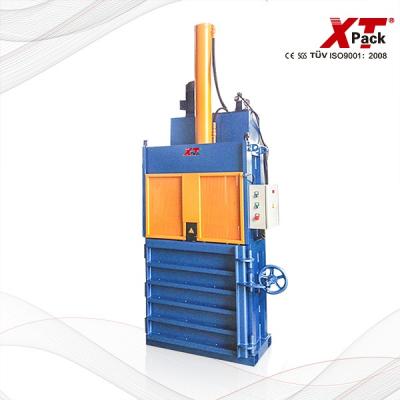
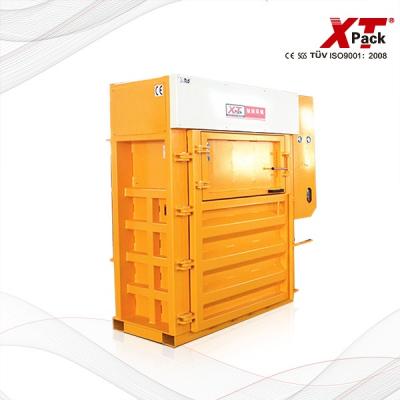
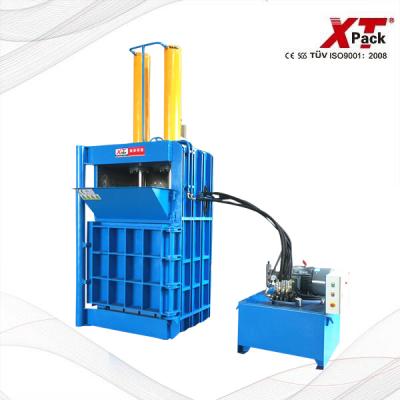
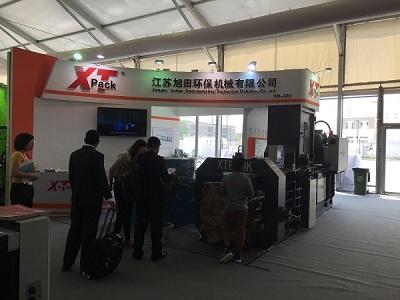
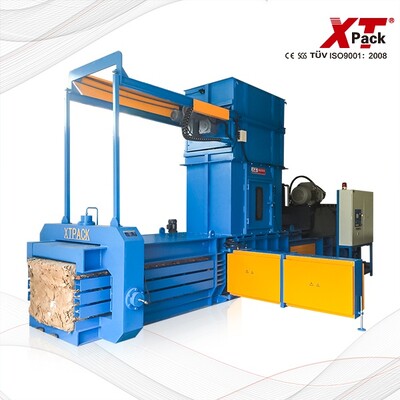
The textile industry is an important industrial sector with a wide industrial chain, involving multiple stages including textile raw materials, textile processing, and more. In the textile processing stage, the textile baling machine, as a key piece of equipment, has multifunctional applications and provides an efficient and convenient solution for the production and transportation processes in the textile industry. This article will explore the textile baling machine's multifunctional applications in the textile industry and discuss its impact on production efficiency and product quality.
Main Functions of the Textile Baling Machine
The textile baling machine in the textile industry primarily functions to package textiles. Textiles usually need to be packaged during the production process for ease of storage, transportation, and sale. The textile baling machine, by tightly and securely baling textiles, can effectively reduce the volume of textiles, increasing the efficiency of storage and transportation. Additionally, the textile baling machine uses various baling materials, such as plastic film and cardboard, to effectively protect textiles from moisture, dust, and other external factors, ensuring product quality.
Textile Baling Machine for Classifying Textiles
Secondly, the textile baling machine can also achieve classified baling of textiles. In the textile industry, it is often necessary to package textiles of different specifications and materials separately. The textile baling machine has adjustable baling sizes and speeds, allowing flexible adjustments based on the type and size of the textiles, achieving classified baling of textiles of different specifications. This method of classified baling not only improves production efficiency and reduces labor costs but also facilitates future storage and sales management.
Textile Baling Machine for Automated Textile Baling
The modern textile industry pursues high efficiency and automation in production, and the textile baling machine is one of the powerful tools to achieve this goal. The textile baling machine is equipped with an automated control system, allowing settings and operations to be performed via computer programs, achieving a fully automated baling process. Workers only need to place the textiles on the textile baling machine and press a button, and the textile baling machine will automatically complete the processes of positioning, baling, and sealing, greatly improving production efficiency and reducing the complexity of manual operations.
Textile Baling Machine for Secondary Baling of Textiles
Additionally, the textile baling machine can also be used for the secondary baling of textiles. In certain cases, textiles may need secondary baling to provide better product display and sales experience. The textile baling machine can not only complete the original baling function but also, if needed, repackage the textiles. For example, in the sale of high-end textiles, the textile baling machine can be used to repackage the textiles into high-quality gift boxes or bags, increasing the product's added value and appeal.
The application of the textile baling machine in the textile industry can also promote environmental protection. The textile industry is a resource-intensive industry, generating a large amount of textile waste during the production process. By reasonably using the textile baling machine, this waste can be effectively packaged and managed, reducing its impact on the environment. The baling materials used by the textile baling machine are usually recyclable, reducing the demand for new resources. Additionally, by strengthening the management of waste through the textile baling machine, environmental pollution problems can be mitigated.
In summary, the textile baling machine has multifunctional applications in the textile industry. It not only improves the baling efficiency of textiles, enhances product quality, and adds value, but also meets the needs for automated production and secondary baling, promotes the rational use of resources, and protects the environment. With the continuous development and innovation of the textile industry, the textile baling machine will also continue to upgrade and improve, providing more and better solutions for the development of the textile industry.