“Plastic waste” sounds like one material when it appears on an equipment inquiry. On the factory floor, it can mean PET bottles that spring back after compression, lightweight film that is difficult to feed consistently, or rigid HDPE containers that occupy large amounts of storage space.
That difference matters when selecting a plastic baler. Asking suppliers for a machine based only on tons per day can lead to very different recommendations—and quotations that are difficult to compare.
PET Bottles Need More Than Enough Press Force
PET bottles contain a large amount of air before compression and can recover their shape after pressure is released. Feeding efficiency and bale stability therefore matter alongside press force.
Facilities processing bottles should consider whether the bottles are loose, capped or perforated before entering the baler. Adding a bottle perforator can change how effectively material is compressed and help create more manageable bales in suitable applications.
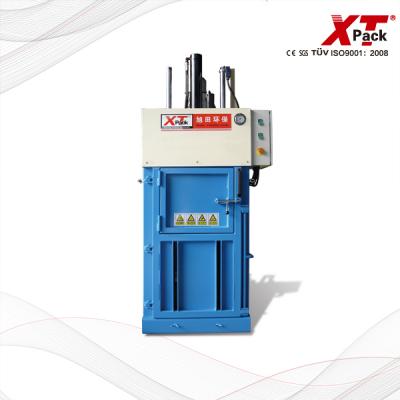
For dedicated bottle streams, XTPACK's PET bottle and aluminum can balers provide another route depending on processing volume.
Plastic Film Creates a Feeding Problem First
Film is light, flexible and difficult to move consistently. A machine may have sufficient compression force while the feeding process still limits real output.
For this reason, buyers considering a plastic baling machine for film should explain how the waste is generated and collected. Loose film coming continuously from production requires a different feeding arrangement from bags of material delivered periodically by forklift.
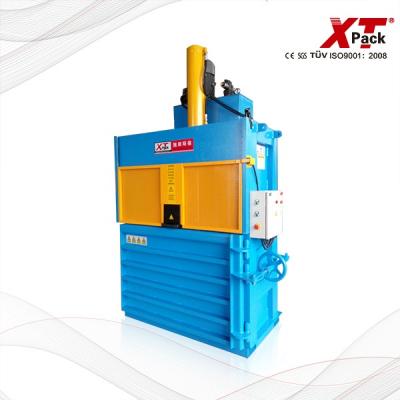
XTPACK also provides dedicated soft plastic balers for applications where the material and processing volume suit a vertical configuration.
One “Plastic Baler Price” Can Hide Different Machines
This explains why quotations for a plastic baler machine can vary considerably. Two suppliers may both say their machine handles plastic, while one is configured around PET bottles and another around film.
Before comparing prices, confirm the actual material, loose density, hourly volume, feeding method and desired bale weight. Photos and videos are particularly useful with plastics because they show the physical condition of the waste much better than the word “plastic” alone.
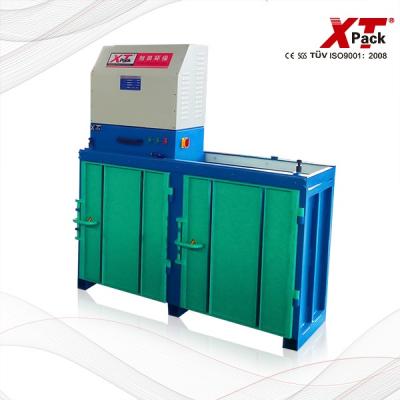
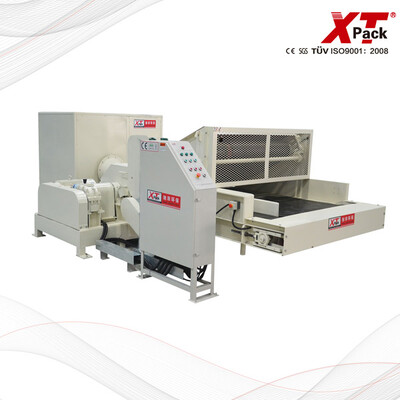
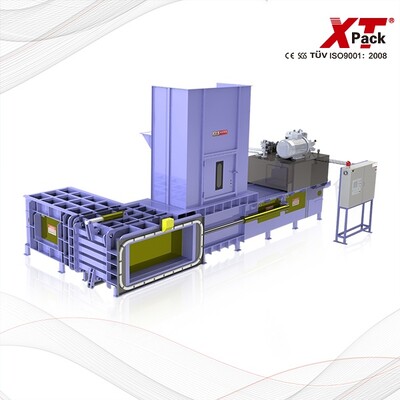
XTPACK's plastic recycling baler range covers different plastic waste applications, but the right configuration depends on what enters the machine.
Send the Material Before Asking for the Model
If you are looking for a plastic baler machine for sale, send us photos or a short video of the material together with daily volume and working hours. We can use that information to determine whether the application is better suited to a vertical, horizontal or automated configuration.
Send your plastic waste requirements to XTPACK →