For a recycling facility handling one consistent material, choosing a baler is relatively straightforward. The decision becomes more complicated when OCC, PET bottles, plastic film and other recyclables move through the same line.
This is where buyers often start comparing a conventional horizontal baler with a two-ram system. The important difference is not simply having an additional ram. It is whether that configuration makes material changes, bale control and daily operation easier enough to justify the investment.
Mixed Materials Change What You Need From the Baler
A facility processing mainly OCC can optimize its baler around one relatively predictable waste stream. Mixed recycling operations have a different problem: material density and compression behavior can change several times during a shift.
PET bottles do not behave like cardboard, and plastic film introduces another set of feeding and compression challenges. If switching materials requires repeated adjustment or interrupts production, throughput on paper may look very different from throughput in daily operation.
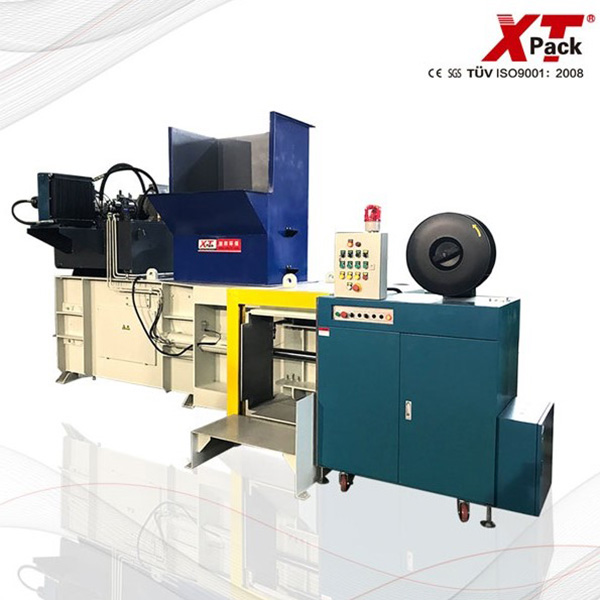
A full automatic two-ram baler becomes particularly relevant where several recyclable materials need to be processed through the same equipment.
Think About Material Switching Before Maximum Throughput
Capacity figures naturally receive attention during purchasing, but mixed-material plants should also ask how easily the machine moves from one waste stream to another.
The benefit of a two ram baler is its flexibility in controlling the compression and discharge process. For operations handling paper, plastics, aluminum or other recyclables, that flexibility can matter more than simply selecting the machine with the highest advertised tons per hour.
Before comparing quotations, map the actual material mix: what percentage is OCC, how much PET or film is processed, how often materials change and whether finished bales need different dimensions or densities.
Those details give manufacturers a much better basis for configuring the machine.
Higher Investment Needs an Operational Reason
Not every recycling facility needs two-ram equipment. If one material represents most of the daily volume, a conventional horizontal baler may provide a simpler and more economical solution.
The extra investment starts making more sense when material flexibility, continuous processing or downstream bale requirements create costs with the existing setup.
This is why a useful comparison should include more than purchase price. Look at labor, material changeover, achievable bale density, tying requirements, throughput during peak periods and how the machine fits the existing sorting and feeding system.
Let Your Material Mix Decide the Configuration
If you are deciding between a single-ram and two-ram baler, start with your waste stream rather than a machine model.
Send XTPACK the materials you process, approximate percentage of each material, daily throughput and required bale specifications. Our team can compare suitable configurations and help determine whether the additional flexibility of a two-ram system creates enough value for your operation.
Discuss your mixed-recycling project with XTPACK →