

Contact now

Semi-automatic balers can also connect with the conveyor and air pipe lines to feed and compress the materials automatically. The difference is that semi-auto balers need manual tying. But it has the advantage on the price. It's also the most people's preference. These semi automatic balers are designed for durability and ease of use in various recycling environments. They provide a cost-effective alternative for businesses that do not require the fully automated strapping process.
Main Cylinder Size:Ø125
Main Motor Power:11kw
Cooling System:N/A
Cycle Time (unload):20s
Oil Reservoir:240L
Number of Belting:4lines
Wire Size:Ø2.4-2.7
Feed Opening Size (L*W):1000*690mm
Chamber Size (L*W*H):1200*720*800mm
Bale Size (L*W*H, L can be adjustable):L*720*800mm (L is adjustable)
Bale Density(OCC):350-450kgs/m3
Throughput (30-60kgs/m3):0.5-1ton/h
Machine Weight:5tons
Machine Overall Dimension:4800*1500*2000mm
Feeding Device:cyclone/conveyor


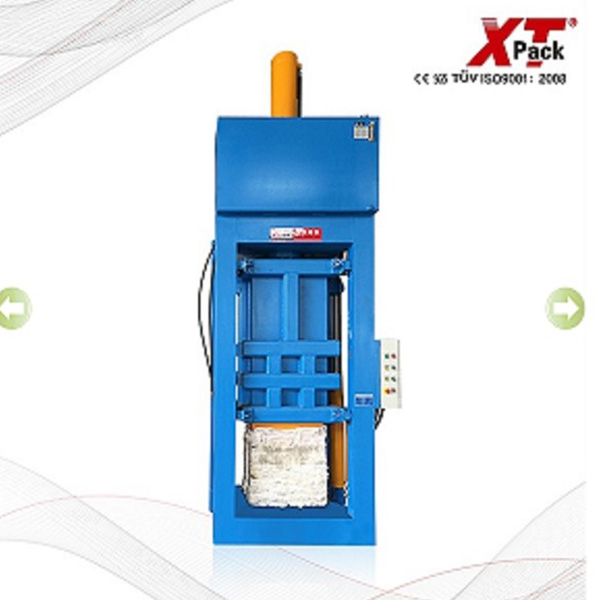 Cardboard Baler Buying: Calculate Beyond the Machine PriceOctober 20, 2026A cardboard baler is often purchased to solve an obvious problem: loose OCC takes up too much space. But once a facility processes larger volumes, reducing the pile is only part of the economics.The b...view
 Plastic Baler Selection: Why PET Bottles, Film and HDPE Need Different SetupsOctober 15, 2026“Plastic waste” sounds like one material when it appears on an equipment inquiry. On the factory floor, it can mean PET bottles that spring back after compression, lightweight film that is difficult...view
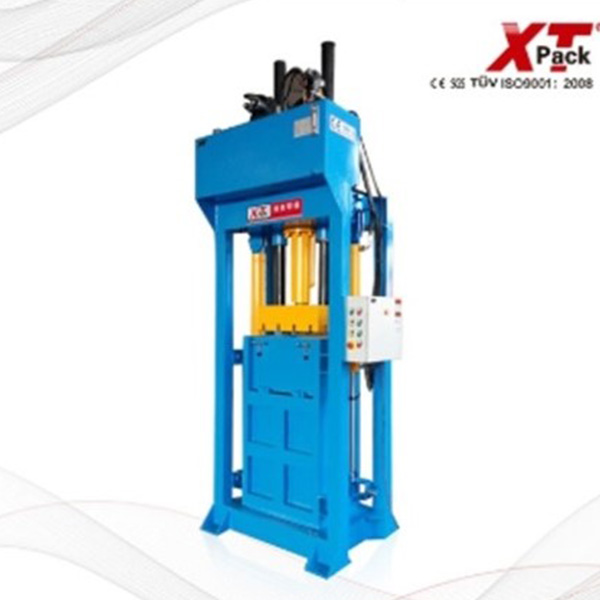 Waste Paper Baler Price: What Determines the Real Cost?September 25, 2026Two waste paper balers can look similar in a quotation and still carry very different prices. One supplier may quote mainly on press force, another includes a conveyor and automatic tying system, whil...view
 +86-513-86831966
+86-513-86831900
sales@xtbaler.com
No. 158, Qingnian East Road, Xiting Industry Park, Nantong City 226321, P.R. China
Copyright © Jiangsu Xutian Environmental Protection Machinery Co., Ltd. All Rights Reserved. Sitemap Privacy Policy