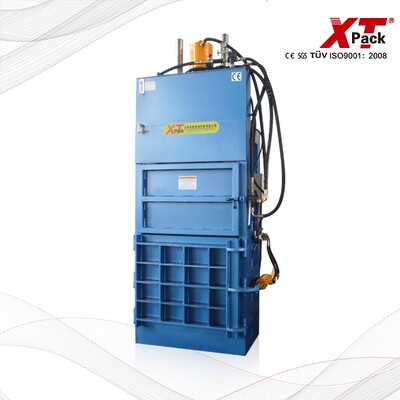
Metal recycling is on the rise, driven by environmental concerns and a growing global focus on sustainability. In this context, the future of metal recycling is undoubtedly going to be shaped by technological advancements. Among these innovations, horizontal metal balers are playing a crucial role, offering a compact and powerful solution that is transforming the industry. In this blog, we will delve into the future of horizontal metal balers and the impact they are set to make.
The Evolution of Compact and Powerful Balers
Horizontal metal balers have come a long way from their initial designs. The future of these machines is defined by a focus on compactness and power, which are redefining the industry's standards.
Compact Design
The future of horizontal metal balers involves an even more compact design. These machines are becoming increasingly space-efficient, allowing for easy integration into various recycling facilities, even those with limited space.
Enhanced Power
To meet the growing demands of the industry, future horizontal metal balers are engineered for enhanced power. They can process larger volumes of metal more quickly and efficiently, contributing to higher throughput rates.
The Economic and Environmental Benefits
The future of horizontal metal baler is marked by significant economic and environmental advantages, making them an attractive choice for metal recycling facilities.
Reduced Labor Costs
Compact and powerful balers require minimal manual labor. Automation and advanced compaction technology reduce the need for operators, resulting in substantial labor cost savings.
Lower Energy Consumption
The focus on energy efficiency in future horizontal metal balers contributes to reduced power consumption. This not only lowers operating costs but also aligns with sustainability goals.
Minimal Environmental Impact
By creating denser bales and reducing the number of required transportation trips, compact and powerful balers lower transportation emissions and contribute to a more environmentally friendly metal recycling process.
Streamlining Metal Recycling Operations
As the future of horizontal metal balers unfolds, they are set to become integral in streamlining metal recycling operations.
Real-time Monitoring and Reporting
The integration of digital technology allows for real-time monitoring and reporting of baler operations. This data-driven approach empowers operators to make informed decisions, optimize their recycling processes, and meet their sustainability targets.
Versatility
Future horizontal metal balers will be more versatile, capable of handling a wide range of metal types. This flexibility reduces the need for manual sorting and makes it easier for recycling facilities to process different materials efficiently.