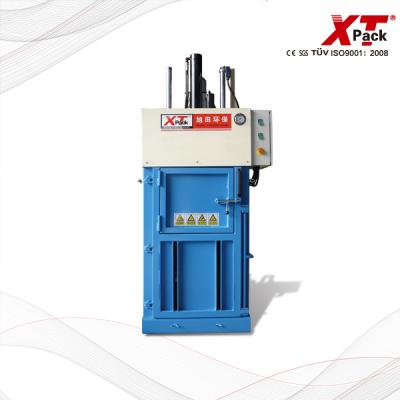
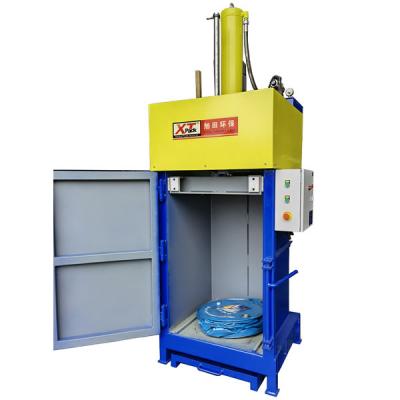
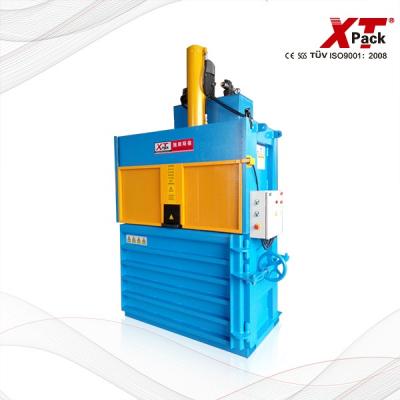
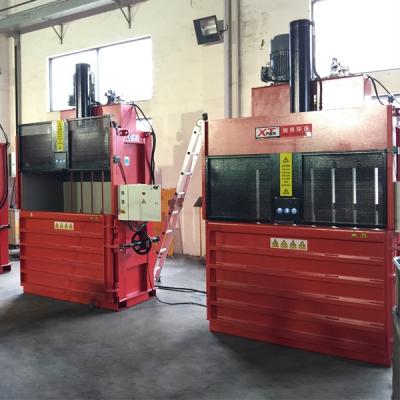
In the ever-evolving world of recycling and waste management, efficiency is the name of the game. When it comes to processing and recycling metal, horizontal metal baler innovations have redefined what's possible. These machines are at the forefront of the industry, offering cutting-edge solutions that maximize efficiency and sustainability. In this blog, we'll explore the latest innovations in horizontal metal balers that are changing the game.
The Evolution of Horizontal Metal Balers
Horizontal metal balers have a rich history, but recent innovations have transformed these machines into highly efficient tools that cater to a variety of industries. Their evolution is marked by a focus on improving efficiency and overall performance.
Automatic Material Feeding
One of the most significant innovations in horizontal metal balers is the integration of automatic material feeding systems. This feature eliminates the need for manual loading, increasing efficiency and reducing labor costs. Operators can feed metal scraps into the baler more quickly and consistently, leading to higher processing rates.
Improved Compaction Technology
Modern horizontal metal balers employ advanced compaction technology that can compress metal scraps into denser, more tightly packed bales. This not only reduces the number of bales required for the same volume of material but also makes transportation and storage more efficient.
Economic Advantages of Horizontal Metal Baler Innovations
The latest innovations in horizontal metal balers are not only about performance but also about delivering economic benefits.
Labor Cost Savings
Automation and improved compaction technology reduce the need for manual labor in the recycling process. This results in significant labor cost savings, making metal recycling more economically viable for businesses.
Increased Processing Speed
Efficient material feeding and compaction mean that horizontal metal balers can process metal scraps more quickly. This increased processing speed results in higher throughput and more significant revenue generation from recycling.
Environmental Impact of Horizontal Metal Baler Innovations
Efficiency goes hand in hand with sustainability, and the innovations in horizontal metal baler offer several environmental advantages.
Reduced Energy Consumption
Innovative horizontal balers are designed with energy efficiency in mind. They reduce power consumption during operation, contributing to a greener, more sustainable approach to metal recycling.
Lower Transportation Emissions
Denser bales take up less space during transportation, reducing the number of trips required to deliver materials to recycling facilities. This minimizes fuel consumption and transportation emissions.