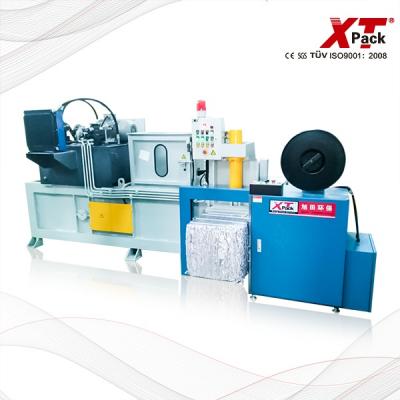
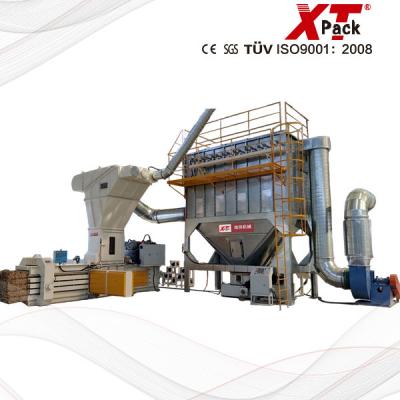
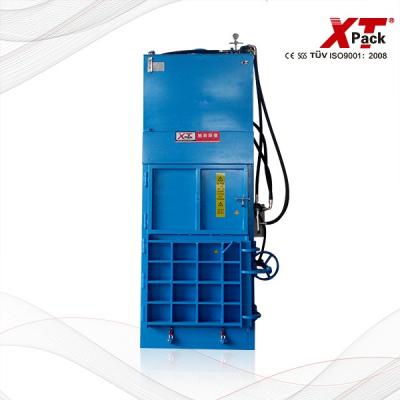
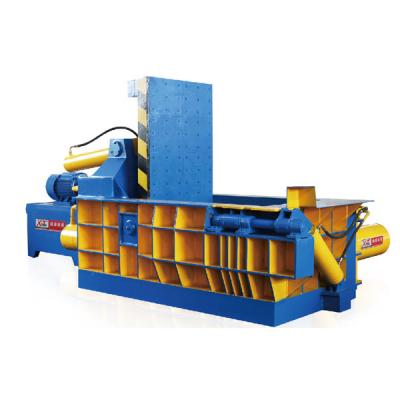
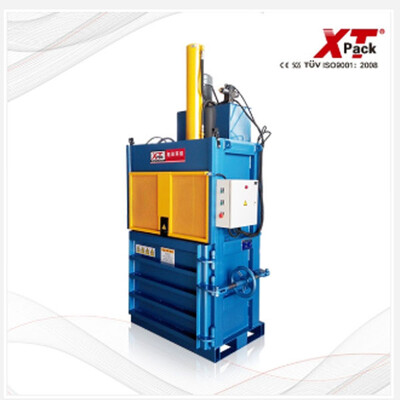
In the world of waste management and recycling, efficiency and cost-effectiveness are essential. One key player in this arena is the plastic bottle baler, a technology that has been continually advancing to help businesses and organizations maximize savings while reducing their environmental footprint. In this blog, we'll explore the latest advancements in plastic bottle baler technology and how they're making a significant impact.
A Balancing Act: Efficiency and Cost Reduction
Plastic bottle balers have long been recognized for their ability to streamline recycling operations. They are a vital tool for businesses, recycling centers, and waste management facilities. The recent advancements in this technology are focused on striking the perfect balance between efficiency and cost reduction.
Enhanced Automation
Modern plastic bottle balers are more automated than ever. They can collect, compress, and bale plastic bottles with minimal human intervention. This enhanced automation not only boosts efficiency but also reduces labor costs, making recycling a more affordable endeavor.
Real-time Monitoring and Reporting
The integration of digital technology has allowed for real-time monitoring and reporting of baler operations. Users can track performance metrics, identify bottlenecks, and make informed decisions to further optimize their recycling processes. This data-driven approach is a game-changer in terms of cost savings.
The Economic Benefits of Plastic Bottle Baler Advancements
The latest advancements in plastic bottle baler technology have a direct impact on a business's bottom line. They lead to tangible cost savings in several ways.
Reduced Operating Costs
Automated balers require less manpower, reducing labor costs. Moreover, the equipment's improved durability and reliability minimize maintenance and repair expenses.
Increased Revenue from Recycling
Efficient balers allow businesses to process larger volumes of plastic bottles, increasing the revenue generated from selling recycled materials. The ability to bale more plastic bottles and operate continuously translates to higher profitability.
A Sustainable and Eco-Friendly Approach
It's not just about saving money; it's also about protecting the environment. Plastic bottle baler advancements contribute to a more sustainable and eco-friendly approach to waste management.
Reduced Carbon Footprint
The efficiency and cost savings offered by advanced balers lead to fewer transportation trips, lower fuel consumption, and reduced carbon emissions. Compressed bales occupy less space, meaning fewer journeys to recycling centers and reduced environmental impact.