Safety Operation Specifications
Wearing Protective Gear
Ensure to wear safety shoes, gloves, and protective glasses before operating the tyre pressing machine to prevent accidents.
Check Equipment Status
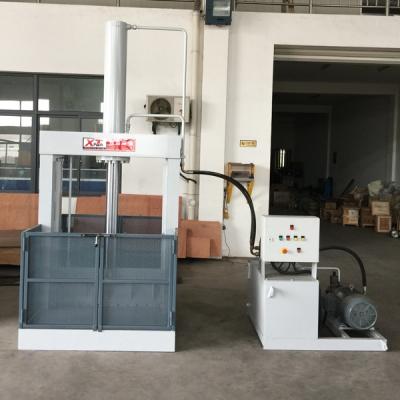
Before each use, check if all parts of the tyre pressing machine, such as the press plate, support arms, and pressure gauge, are in good condition. Ensure there are no damages or loosenings.
Follow Operational Procedures
Operate strictly according to the machine's manual or operational procedures. Do not arbitrarily change the program or force operations.
Maintain a Clean Environment
Ensure the work area is clean and tidy without any clutter to prevent tripping or other safety hazards.
Daily Maintenance
Cleaning Maintenance
Regularly clean the oil and dust on the surface of the tyre pressing machine to keep the machine tidy. Pay special attention to cleaning the contact surfaces of the press plate and support arms to prevent foreign objects from affecting the tire pressing effect.
Lubrication Maintenance
Regularly lubricate the moving parts of the tyre pressing machine, such as the spindle and bearings, to reduce wear and noise, and prolong the equipment's life.
Check Fasteners
Regularly check and tighten all screws and nuts on the tyre pressing machine to prevent parts from falling off or malfunctioning due to looseness.
Electrical Inspection
Regularly inspect electrical components like power cords, plugs, and switches to ensure there are no damages, aging, or poor contact phenomena.
Regular Inspection and Calibration
Performance Check
Regularly test the performance of the tyre pressing machine, such as pressure stability and tire pressing efficiency, to ensure the equipment is in good working condition.
Equipment Calibration
Use professional calibration tools to calibrate key parts of the tyre pressing machine like the pressure gauge and manometer to ensure accurate measurements.
Replace Worn Parts
Regularly replace severely worn parts like seals and belts according to the usage condition and manufacturer recommendations.
Storage and Transportation Precautions
Proper Storage
When not in use for an extended period, store the tyre pressing machine in a dry, ventilated, and dust-free environment to avoid moisture, corrosion, or damage.
Stable Transportation
Ensure that the machine is placed stably when handling or transporting it to avoid damage caused by severe vibrations or collisions.
Fixed Installation
For fixed tyre pressing machines, ensure a robust foundation during installation, and tightly connect the machine to the ground to prevent shaking or displacement during operation.
Training and Records Management
Operator Training
Train new operators on the use and maintenance of the tyre pressing machine to ensure they can master the equipment operation skills proficiently.
Records Management
Establish a comprehensive system for recording equipment usage, maintenance, checks, and fault handling to track the equipment's status, analyze the causes of problems, and take corresponding measures.