In many packaging plants, warehouses, and recycling facilities, waste handling directly affects space usage, labor efficiency, and transport costs. Materials like cardboard, plastic, and paper accumulate quickly and are difficult to manage in loose form.
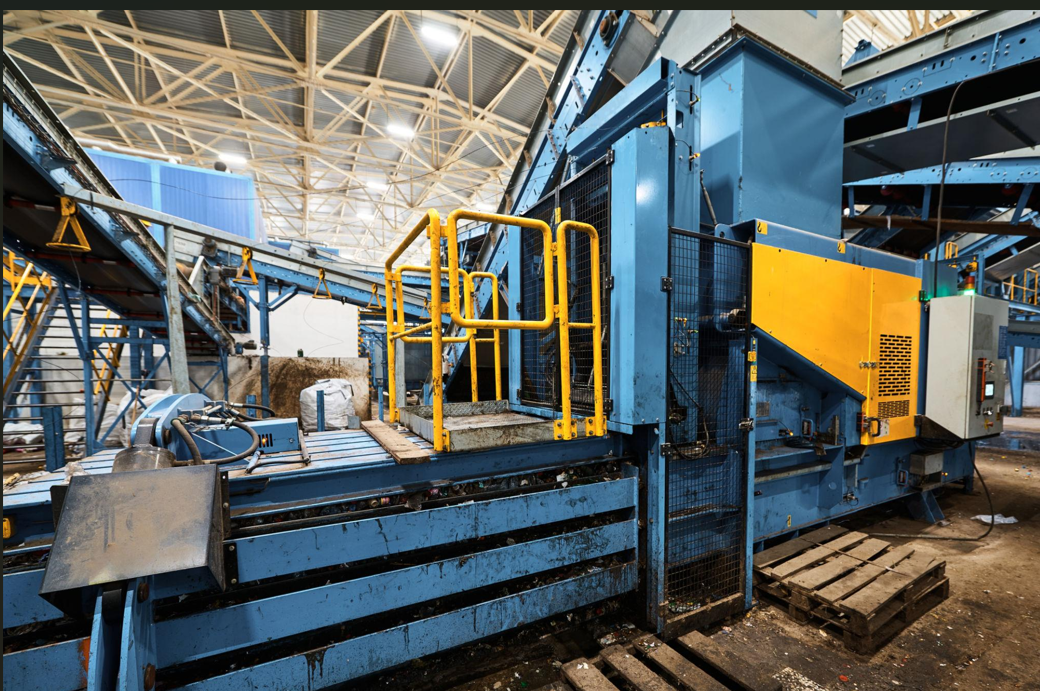
A baler machine recycling system is often introduced to bring structure to this process. By compressing waste into dense bales, businesses can reduce storage space, improve transport efficiency, and increase the resale value of recyclable materials. In practice, this is how baler recycling machinery helps turn waste handling into a predictable part of daily operations.
What Does a Baler Machine Do in Recycling?
To understand what does a baler machine do, it helps to look at real usage. A recycling baler converts loose waste into uniform, stackable bales, making materials easier to store, transport, and sell.
For example, a baler machine for cardboard is widely used in warehouses where packaging waste accumulates quickly. Instead of handling scattered materials, businesses work with consistent bale sizes, improving efficiency and reducing handling time. This is one of the most common baler machine uses in daily operations.
How Does a Baler Machine Work in Recycling Processes?
Understanding how does a baler machine work is important when evaluating system performance. A typical waste baler machine operates through a simple but consistent process that can be easily integrated into daily operations. Waste materials are first fed into the chamber, either manually or through a conveyor system, depending on the level of automation. Once loaded, hydraulic force is applied to compress the materials into dense, compact blocks. These compressed bales are then secured with wire or straps to maintain their shape during handling and transport. Finally, the finished bales are ejected from the machine and prepared for storage or shipment.
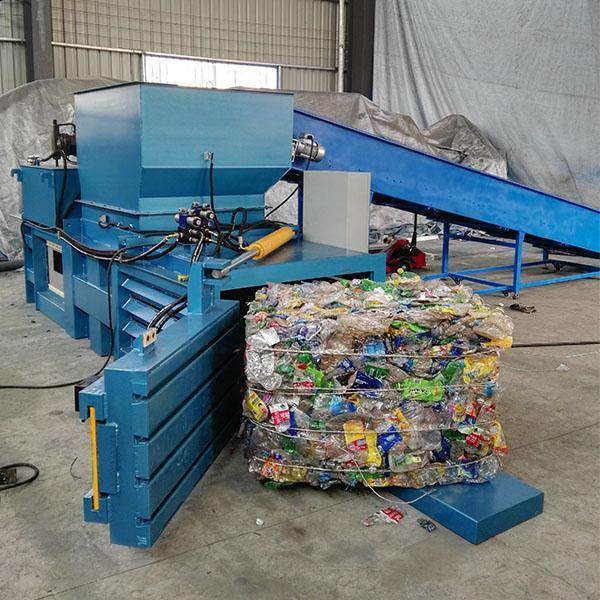
In most cases, this process reduces material volume by up to 80–90%, which helps improve transport efficiency and lower overall operational costs.
Key Uses of Waste Baler Machines in Different Industries
The role of a waste baler machine varies by industry, but the objective is always the same: improve efficiency.In logistics and retail, baler machine uses focus on cardboard and packaging waste. In manufacturing, baler recycling systems prevent scrap materials from interfering with production. In recycling facilities, high-capacity recycling balers ensure consistent output and processing efficiency.Across these applications, balers reduce manual handling and improve workflow stability.
Types of Recycling Balers: Cardboard, Plastic, and Industrial Applications
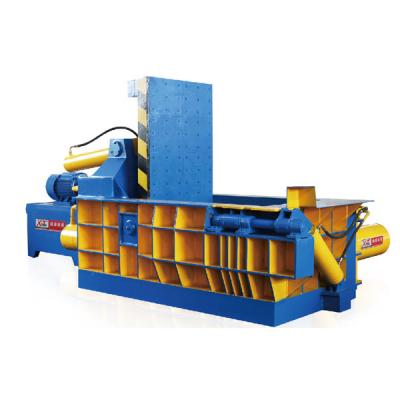
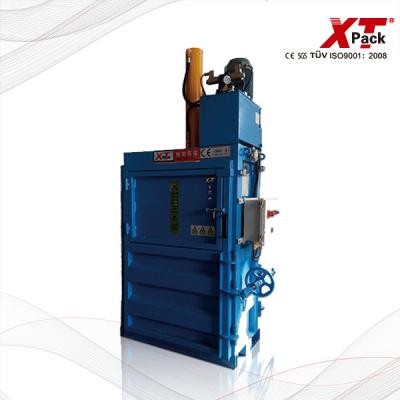
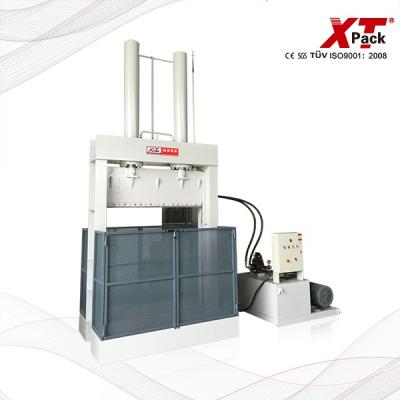
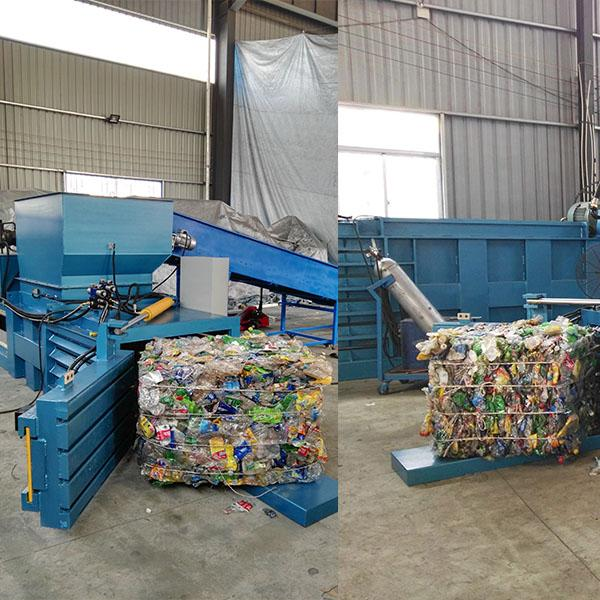
Different types of recycling baler machines are designed to match specific operational needs, and the right choice usually depends on waste volume, material type, and available space. Vertical balers are commonly used in facilities with limited space and moderate waste output, where ease of operation and compact design are important. In contrast, horizontal balers are better suited for high-volume environments, especially where continuous processing and integration with conveyors are required. For applications involving PET bottles and plastic films, a plastic recycling baler machine provides more stable compression for lightweight but bulky materials.
In practical terms, selection often comes down to how waste is generated on site. Facilities with lower daily output typically benefit from vertical systems, while operations with continuous waste streams tend to rely on horizontal balers. When dealing with lightweight plastic materials, a specialized recycling baler is usually the more efficient option, as it ensures consistent bale formation and easier downstream handling.
Baler Recycling Machinery for Efficient Waste Management
Modern baler recycling machinery plays a key role in improving operational efficiency. By compressing waste, businesses reduce storage space and lower transport frequency.At the same time, high-density bales are easier to sell, which improves material value. This is why many companies consider not just the baler machine price, but also the long-term return from improved efficiency and reduced labor costs.
When comparing options, both baler machine price and recycling baler machine price vary depending on capacity, automation level, and material type. Businesses evaluating a recycling baler machine for sale or baling machine for sale should focus on how the system fits their workflow rather than price alone.
How to Choose the Right Baler for Your Operation
Selecting the right system should be based on actual operating conditions rather than specifications alone. In facilities where space is limited and waste output is relatively low, a vertical baler is usually a practical choice. For operations with continuous, high-volume processing needs, a horizontal baler offers better throughput and efficiency. When dealing with mixed materials or lightweight plastic waste, a specialized recycling baler is often more suitable, as it provides more stable compression and handling performance.
Conclusion
A baler machine recycling system changes how waste is handled on a daily basis. Instead of reacting to accumulation, businesses can manage waste as part of a structured and predictable workflow. For operations dealing with consistent material output, investing in the right baler recycling machinery is less about adding equipment and more about improving efficiency, controlling costs, and maintaining long-term operational stability. For businesses evaluating different options, reviewing practical configurations and real application scenarios can help clarify the selection process. You can explore available systems and compare setups through baler machine recycling solutions based on your operational requirements.