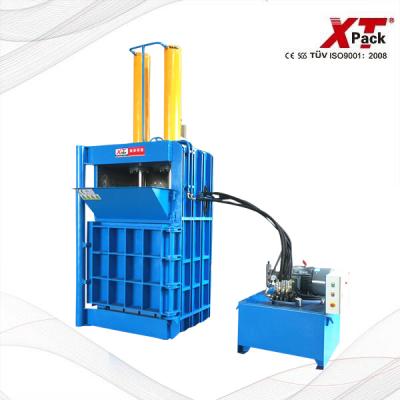
A cardboard baler is often purchased to solve an obvious problem: loose OCC takes up too much space. But once a facility processes larger volumes, reducing the pile is only part of the economics.
The bale leaving the machine affects storage, forklift movements, truck loading and the amount of cardboard moved with each shipment. That means the cheapest cardboard baler is not necessarily the one producing the lowest handling cost.
Start With What Happens to the Bale After Compression
Before comparing cardboard baler manufacturers, find out what happens after the bale leaves your facility. Is it loaded directly into a truck or container? Stored for several days? Collected by a recycler with specific bale-size requirements?
Bale dimensions and density influence each of these operations. More consistent bales can make stacking and loading easier, while poorly matched bale dimensions may leave transport capacity unused.
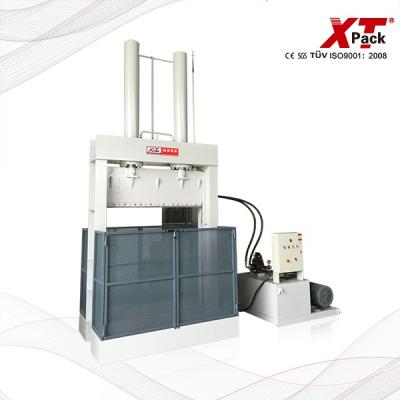
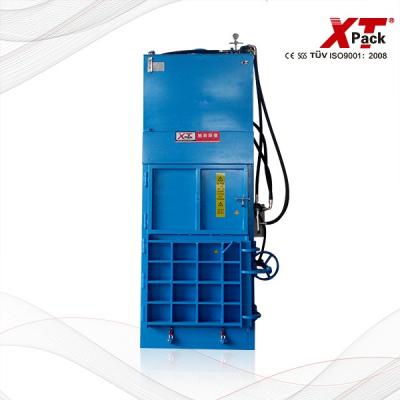
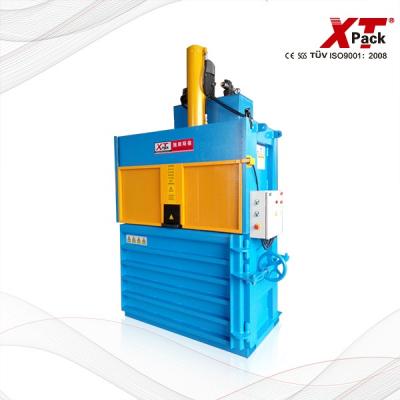
XTPACK provides dedicated balers for cardboard and paper, allowing the machine configuration to be matched to the way OCC is generated and shipped.
A Growing Cardboard Pile Is Usually a Process Signal
Distribution centers and corrugated plants can generate cardboard faster than a manually fed machine can process it. When this happens, the visible problem is floor space, but the hidden cost is repeated handling.
Workers collect the cardboard, forklifts move it, the material waits beside the baler, and then it is handled again during loading.
For continuous waste streams, an automatic cardboard baler combined with a conveyor can remove some of these intermediate movements and turn baling into part of the material flow.
Compare Cost per Ton of Cardboard Handled
When evaluating a cardboard baler for sale, compare more than purchase price and press force. Estimate operator time, electricity, tying material, maintenance, storage space and the number of bales required to move your monthly cardboard volume.
A lower-priced machine may still be the right choice for a moderate-volume facility. But when cardboard volumes increase, better feeding, heavier bales and less manual intervention can change the economics.
The right machine is the one that improves the complete cardboard-handling process—not simply the one that produces a bale.
Bring Your OCC Volume to the Quotation
If you know your approximate daily OCC volume, operating hours and preferred bale size, XTPACK can use those figures to narrow down the equipment before preparing a quotation.
Send us your current cardboard volume and how it is collected today. We can recommend a configuration around both baling capacity and the way finished bales move through your facility.
Request a cardboard baler recommendation →