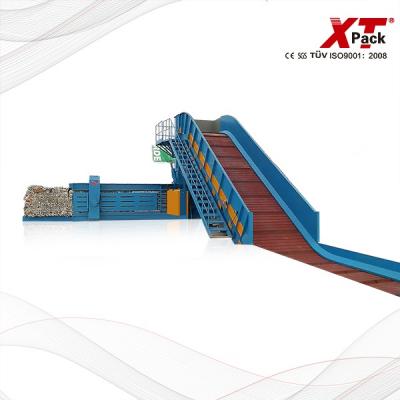
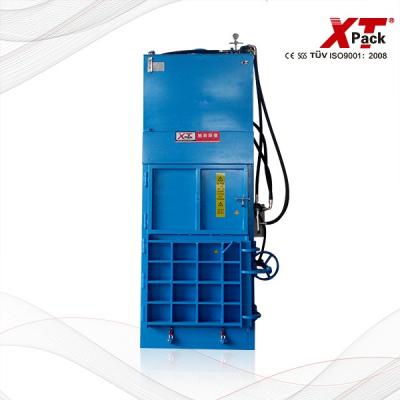
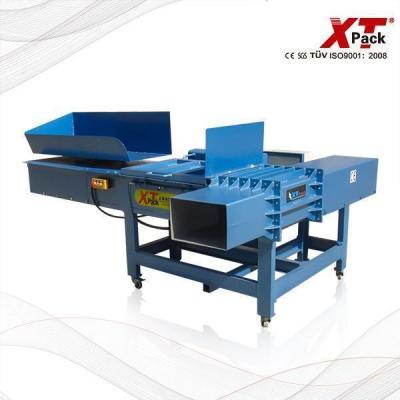
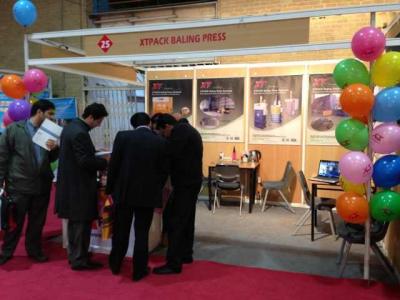
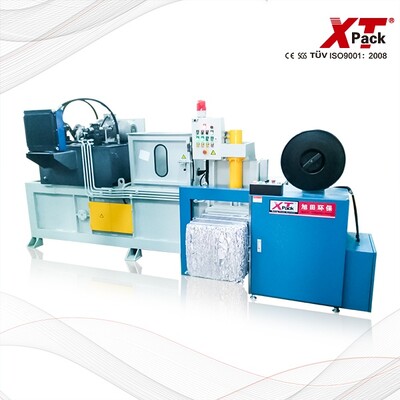
In the bustling world of apparel manufacturing, where every second counts, the pursuit of efficiency is unrelenting. From raw materials to the final product, every step must be optimized for a streamlined operation. Amidst the intricate dance of needles, threads, and cutting-edge technologies, one unsung hero silently revolutionizes the industry – the Textile Baling Machine.
Revolutionizing Waste Management with Textile Baling Machines
Textile Baling Machines are purpose-built for the textile industry, designed to compress and bundle textile waste efficiently. Leftover fabric scraps, cuttings, and defective products find new life as these machines transform them into tightly bound bales. This process not only maximizes storage space but also sets the stage for a more sustainable approach to waste management.
Cost Efficiency through Waste Reduction
One of the significant advantages of Textile Baling Machines lies in their ability to drastically cut handling and disposal costs. Traditional methods involving manual sorting and disposal are time-consuming and resource-intensive. However, these machines streamline the process, compacting and storing textile waste efficiently, reducing the need for frequent disposal trips. The result? Tangible savings of both time and resources for apparel manufacturers.
Eco-Friendly Transportation and Storage
Transporting loose textile waste can be a logistical challenge, but Textile Baling Machines provide a solution. The compressed bales are easily loaded onto trucks, optimizing space utilization during transportation. This not only reduces transportation costs but also lessens the environmental impact by decreasing carbon emissions associated with multiple trips required for loose waste. The industry is thus propelled towards a greener future.
Workplace Safety and Tidiness
Beyond the financial and environmental benefits, Textile Baling Machines contribute to a safer workplace. Loose textile waste poses safety hazards, creating clutter and increasing the risk of accidents. Baling the waste not only keeps the production area tidy but also minimizes the chance of slips and falls. Additionally, modern machines come equipped with safety features, ensuring operator well-being and reducing the likelihood of workplace injuries.
Unleashing the Potential of Textile Baling Machines
By integrating Textile Baling Machines into their processes, apparel manufacturers can achieve not only a seamless workflow but also contribute to a more sustainable and environmentally conscious future. As the industry embraces the transformative power of these machines, the journey towards efficiency and sustainability continues unabated.