In the pursuit of efficient waste management solutions, the automatic baling press machine has emerged as a game-changer. This innovative technology combines automation and compaction to revolutionize the way we handle and process various waste materials. In this blog, we'll explore the world of automatic baling press machines, uncovering their significance, mechanisms, and potential impact on waste management practices.
Introducing the Automatic Baling Press Machine: A Technological Marvel
The automatic baling press machine stands at the forefront of modern waste management techniques. This cutting-edge technology automates the process of compressing waste materials into compact bales or blocks, offering an array of benefits that range from space optimization to simplified transportation.
The Mechanics Behind Automatic Baling Press Machines
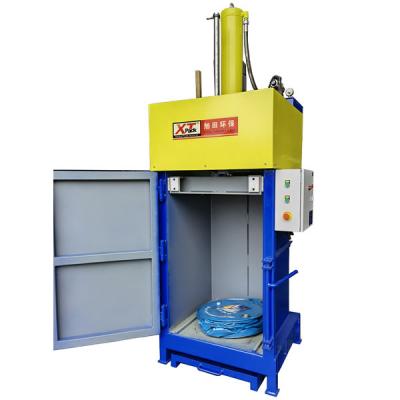
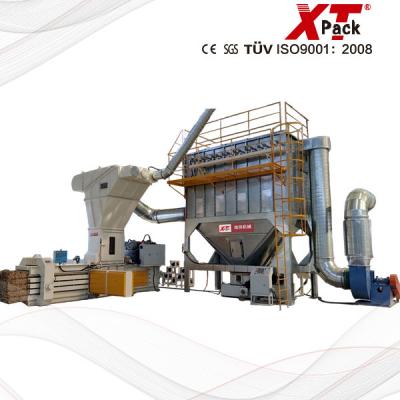
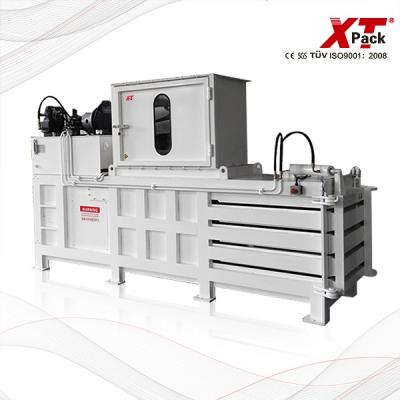
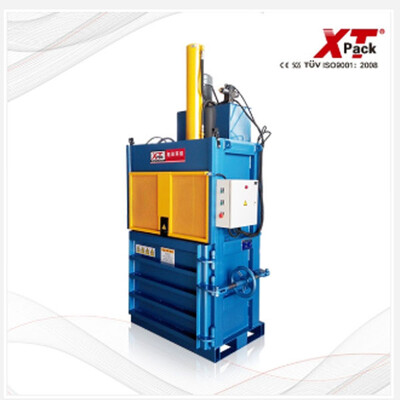
At the heart of an automatic baling press machine lies a mechanical marvel that seamlessly blends automation with waste compaction. The machine is equipped with a hydraulic system that exerts pressure on waste materials, compressing them into tightly packed bales. These bales are not only easier to store and transport but also contribute to the overall efficiency of waste management operations. Automatic baling press machines are designed with flexibility in mind. They can be adjusted to accommodate different types of waste materials and varying compaction requirements. This adaptability ensures that the machines can be tailored to the specific needs of diverse industries and waste management facilities.
The Advantages and Environmental Impact
One of the most notable advantages of automatic baling press machines is their ability to optimize space. By compacting waste materials, these machines significantly reduce the volume of waste, allowing for better space utilization in storage areas, waste transfer stations, and landfills. The compacted bales produced by automatic baling press machines are easier to transport compared to loose waste. This leads to reduced transportation costs and lower carbon emissions associated with waste collection and disposal, contributing to a greener and more sustainable waste management system.
Charting a Sustainable Future
As technology continues to evolve, the potential for automatic baling press machines to integrate with smart waste management systems becomes evident. The use of sensors and data analytics can optimize waste collection routes, ensure timely maintenance, and provide real-time insights into waste generation patterns. Automatic baling press machines also have the power to raise awareness about responsible waste management. The visual impact of seeing waste materials being transformed into compact bales can encourage individuals and businesses to adopt more mindful waste reduction and recycling practices.
In a world grappling with waste-related challenges, automatic baling press machines offer a beacon of hope. By automating waste compaction and enhancing waste management processes, these devices pave the way for reduced environmental impact, efficient resource utilization, and a cleaner planet. As we continue to invest in waste management technologies, automatic baling press machines stand as a testament to the potential of innovation in creating a more sustainable future for generations to come.