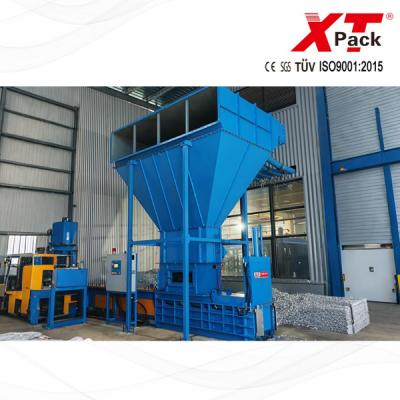
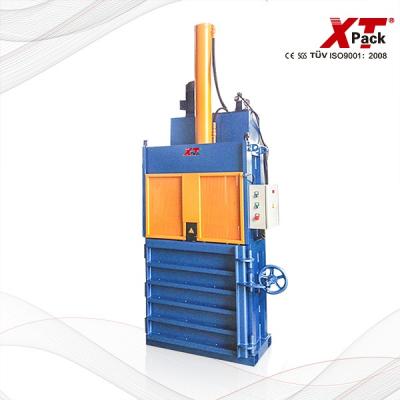
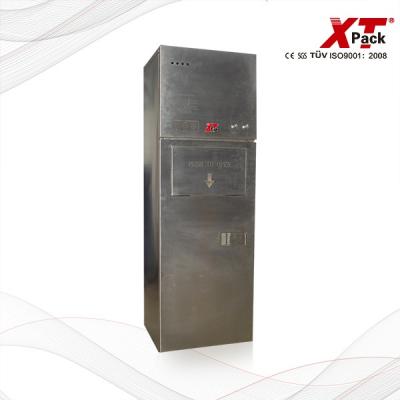
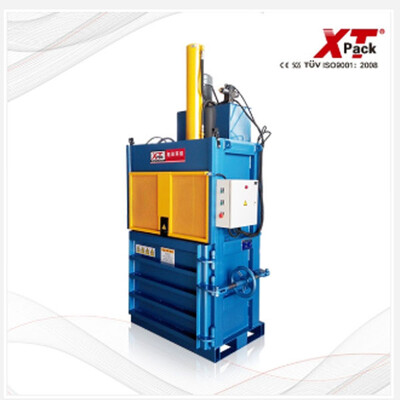
In the realm of waste management technology, the semi-automatic horizontal baler emerges as a versatile solution that combines human oversight with automated efficiency. This innovative machine plays a pivotal role in streamlining waste compaction and resource utilization. In this blog, we'll delve into the world of semi-automatic horizontal balers, uncovering their significance, operational mechanisms, and their contributions to sustainable waste management.
Unveiling the Semi-Automatic Horizontal Baler: A New Frontier
The semi-automatic horizontal baler marks a significant evolution in waste management equipment. This machine bridges the gap between full automation and manual operation, empowering users to control the compaction process while benefiting from automated efficiency. It's a harmonious blend of technology and human oversight.
Exploring the Mechanisms of Semi-Automatic Horizontal Balers
Semi-automatic horizontal balers operate with a mechanism that combines the convenience of automation with user-guided control. Users load waste materials into the machine, and then with a simple activation command, the baler completes the compaction process. This efficient workflow minimizes manual labor while ensuring that the process is supervised for optimal results. These machines are designed to accommodate a variety of waste materials, from cardboard and plastics to paper and textiles. They can compress these materials into dense bales, facilitating efficient storage, transportation, and recycling processes.
The Advantages and Contributions to Sustainable Waste Management
Semi automatic horizontal baler offers flexibility by allowing users to adjust settings and accommodate varying waste materials. This adaptability makes them suitable for a wide range of industries, from retail and manufacturing to logistics and recycling facilities. One of the primary benefits of these balers is their ability to optimize space utilization. By compressing waste materials into bales, they reduce the volume required for storage and transportation, contributing to efficient waste management practices.
A Step Toward Sustainable Waste Management
Semi-automatic horizontal balers provide a balance between automation and human intervention. This not only maximizes operational efficiency but also ensures that waste compaction is carried out with precision and care. By facilitating the creation of compact bales, these machines contribute to reduced carbon emissions during waste transportation. The streamlined waste handling process also minimizes the strain on landfills and promotes resource recycling.
The semi-automatic horizontal baler stands as a testament to innovation in waste management technology. With its ability to combine automation and user control, it opens the door to efficient waste compaction, reduced environmental impact, and optimized resource utilization. As industries and communities embrace these advancements, we inch closer to a future where waste management is not just a necessity but a strategic endeavor that benefits both the environment and our shared well-being.