Two waste paper balers can look similar in a quotation and still carry very different prices. One supplier may quote mainly on press force, another includes a conveyor and automatic tying system, while another machine is configured around a completely different hourly output.
For a paper mill, recycling center or corrugated plant, the useful question is therefore not simply “What is the waste paper baler price?” It is what capacity and operating result that price actually buys.
Why the Same Tonnage Does Not Mean the Same Machine
Press force is one of the easiest specifications to compare, but it does not define the complete baler. Feed opening, chamber size, motor configuration, hydraulic system, cycle time and tying method all affect both output and price.
The material itself also changes the requirement. Loose OCC from a corrugated plant, shredded paper from a printing operation and mixed waste paper do not enter the machine in the same condition.
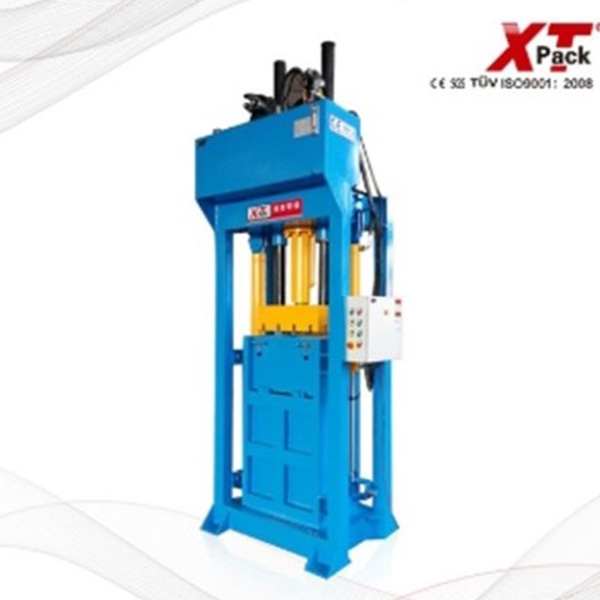
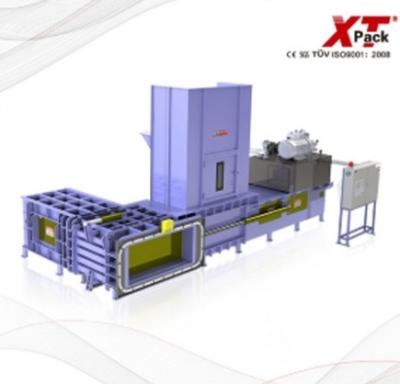
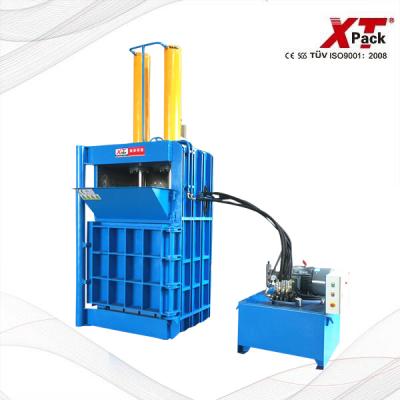
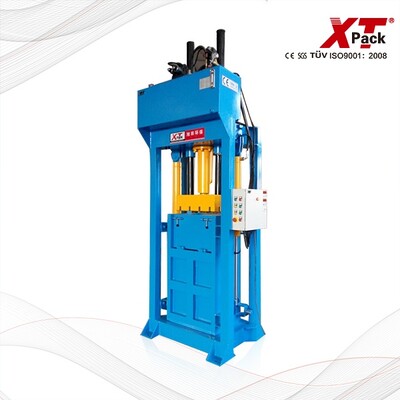
This is why XTPACK offers different waste paper baler and hydraulic waste paper baling press configurations instead of treating waste paper as one standard application.
A Cheaper Baler Can Move Cost Somewhere Else
Purchase price is visible immediately. Handling cost usually appears later.
If loose paper must be repeatedly moved by forklift or workers before reaching the baler, feeding becomes part of the operating cost. If finished bales are too light, more bales may need to be stored, handled and loaded to move the same tonnage.
In higher-volume facilities, connecting a belt conveyor or selecting automatic tying can increase the initial project cost while reducing repeated work during daily operation.
This is particularly relevant for paper and corrugated facilities where waste is generated continuously rather than collected once or twice per day.
Ask What Output the Quoted Price Will Deliver
When comparing a waste paper baling machine price, request the expected throughput and bale specification alongside the machine price. A quotation becomes much more meaningful when you can see expected tons per hour, bale dimensions, approximate bale weight and the proposed feeding and tying method.
Then add the commercial details that are easy to overlook: installation, commissioning, spare parts, warranty and after-sales support.
The goal is not necessarily to buy the machine with the highest capacity. It is to find the configuration that handles your actual paper volume without paying for unnecessary capacity or creating additional labor.
Get a Price Based on Your Paper Volume
A useful baler quotation does not require a long technical specification. Start with the type of paper or cardboard you process, approximate tons per day, working hours and preferred bale weight. Photos of the loose material and current collection area can also help.
XTPACK supplies balers for cardboard and paper across different processing volumes. Send us your current waste flow and capacity requirement, and we can recommend a suitable configuration before calculating the final price.
Request a waste paper baler quotation →