The Real Cost of Loose Waste Paper Is Higher Than Most Businesses Think
Walk into many warehouses, packaging plants, printing facilities, or recycling stations and you'll often see the same problem.
Stacks of cardboard waiting for collection.
Loose cartons occupying valuable warehouse space.
Workers spending time moving waste instead of handling productive tasks.
Most businesses view waste paper as a by-product.
Successful businesses view it as a recoverable asset.
The difference often comes down to how efficiently that material is collected, stored, and prepared for transport.
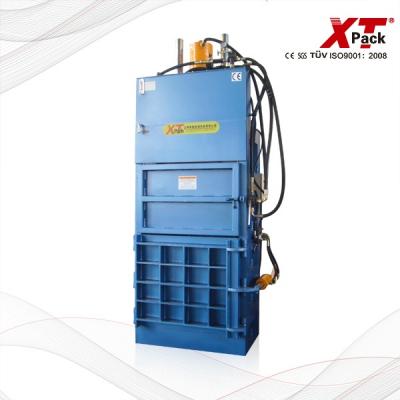
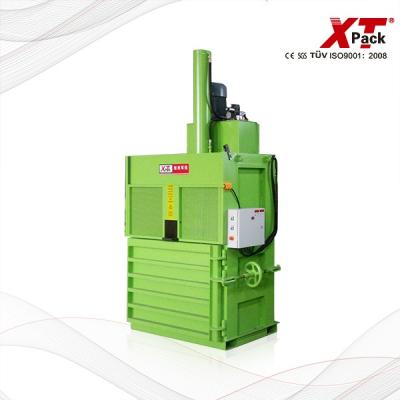
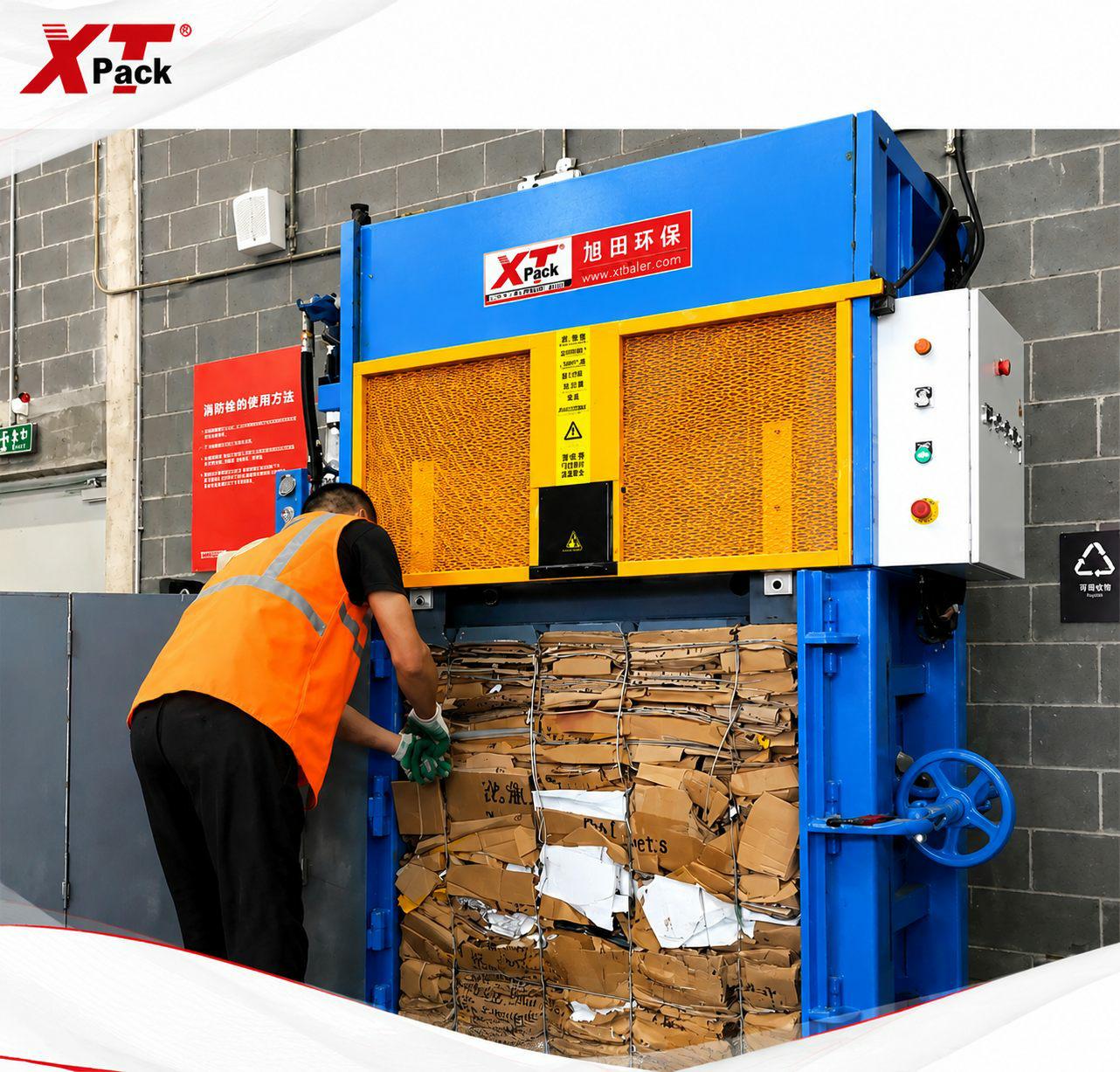
This is where a hydraulic waste paper baler becomes more than just another piece of recycling equipment.
It becomes an operational efficiency tool.
Why Transportation Costs Are Becoming a Bigger Challenge
For many recycling companies, transportation costs have increased faster than material values over the past few years.
The problem is simple:
Waste paper is lightweight but bulky.
A truck loaded with loose cardboard often reaches its volume limit long before it reaches its weight limit.
In other words, companies are paying to transport air.
By compressing waste paper into dense bales, businesses can significantly increase truck utilization, reduce collection frequency, and improve logistics efficiency.
For facilities generating large volumes of cardboard or paper waste every week, the savings can quickly exceed the cost of the baler itself.
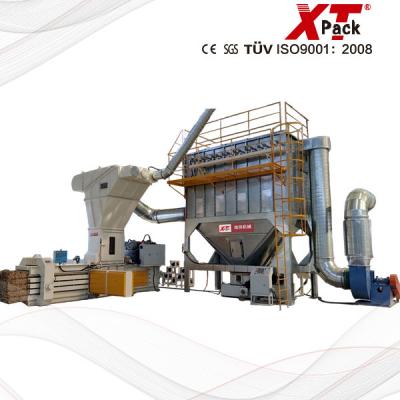
Not Every Facility Needs a Large Automatic Baler
One of the most common mistakes buyers make is assuming that bigger machines always create better results.
In reality, equipment should match material volume.
Many packaging factories, warehouses, retail distribution centers, and printing companies produce enough recyclable paper to justify baling, but not enough to require a large fully automatic system.
For these businesses, a medium-capacity hydraulic baling press often delivers the best balance between investment cost, floor space requirements, and daily output.
The goal is not maximum capacity.
The goal is maximum efficiency per square meter.
What Buyers Should Evaluate Before Purchasing a Waste Paper Baler
When comparing balers, pressure force is often the first specification buyers look at.
However, experienced operators usually focus on different questions:
How much labor can be saved?
If workers spend significant time handling loose materials, even a modest baler can quickly reduce labor requirements.
How much storage space can be recovered?
Warehouse space has a cost.
Every square meter occupied by waste is a square meter unavailable for inventory or production.
How often are collection trucks required?
Higher bale density generally means fewer pickups and lower transportation expenses.
Can the machine fit existing workflows?
The best machine is not always the largest machine.
The best machine is the one that integrates naturally into daily operations.
Why Medium-Size Hydraulic Balers Remain Popular
Models such as the XTY-300LE11070 continue to be widely used because they address a common challenge faced by many businesses.
They provide enough compression force to create transport-efficient bales while maintaining manageable investment costs and installation requirements.
For many facilities, this represents the sweet spot between productivity and affordability.
Rather than focusing solely on machine specifications, buyers should evaluate the broader impact on waste management efficiency, labor utilization, and transportation costs.
Waste Handling Is Becoming a Competitive Advantage
As labor costs continue to rise and sustainability targets become more important, waste management is no longer just an environmental issue.
It has become an operational issue.
Businesses that handle recyclable materials more efficiently often benefit from:
Lower waste handling costs
Better warehouse organization
Improved worker productivity
Reduced transportation expenses
Higher recycling value recovery
A hydraulic waste paper baler is not simply designed to compress cardboard.
It helps businesses transform waste from a storage problem into a manageable resource stream.
For companies looking to improve operational efficiency and maximize recycling returns, choosing the right baling solution can deliver benefits far beyond the recycling area itself.